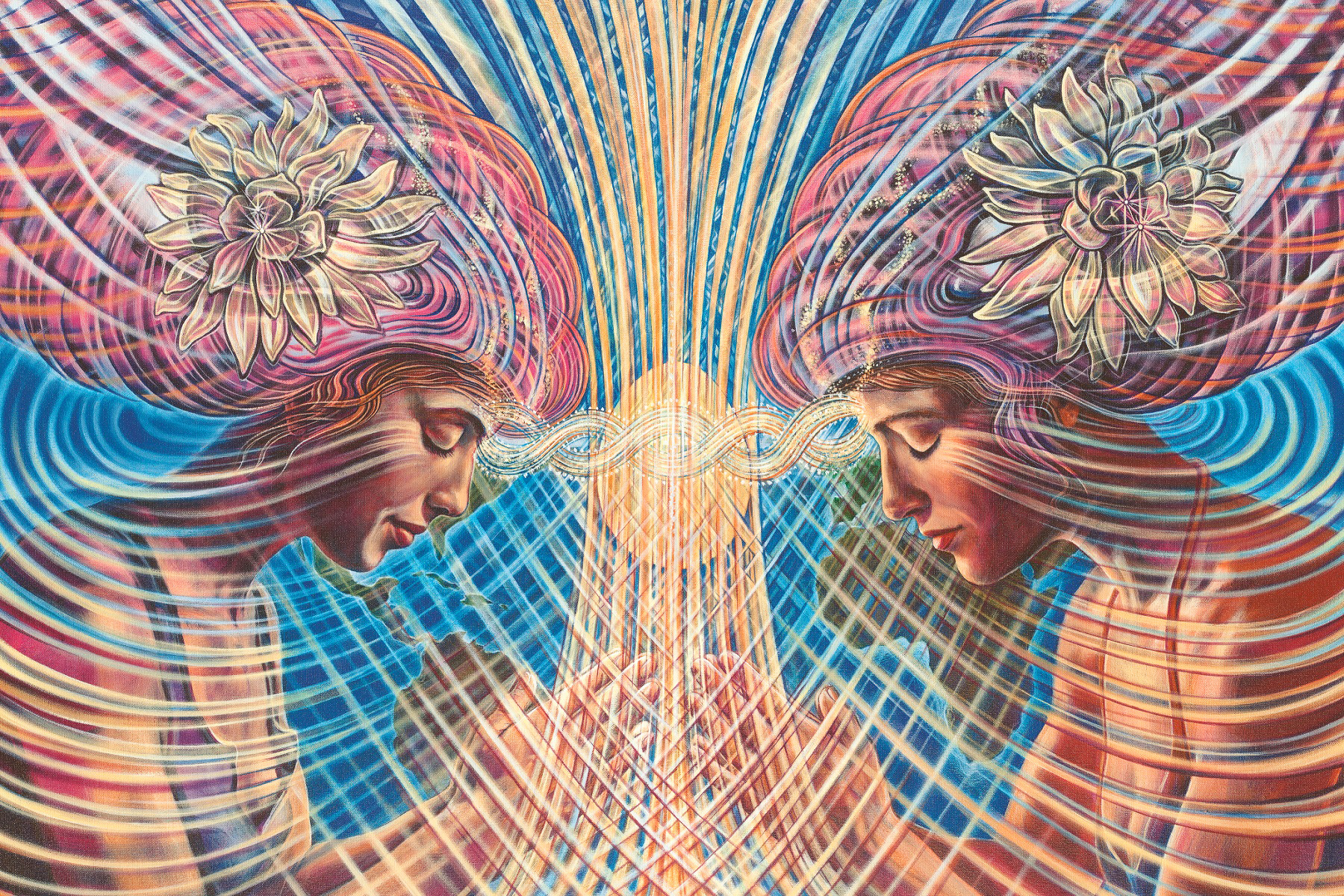
When we consider killing, we seem to adopt different attitudes depending on the degree of magnification. By that we mean the size of the entity relative to ourselves. For example, when we consider parasites, bacteria and viruses that inhabit our bodies, we don’t tend to dwell on the wholesale slaughter of these organisms by our internal defence systems. Similarly, when we observe the explosions of stars such as supernovae, the colliding of galaxies and the “feeding” frenzy of black holes, we do so with perfect detachment.
However, when we are focussed between these two extremes and are dealing with life forms whose sizes range from millimetres to several metres, we feel an inner conflict. We experience an empathy with these creatures, which prevents us taking their lives without some form of internal wrestling with our conscience. Obviously the hardest creature to kill is our fellow man, as we can identify so easily with one of our own species. This inbuilt restraint can however be thrown aside during times of extreme emotional imbalances, social unrest and full scale war. During these times, the minds of the individuals are affected to such a degree that the automatic restraint mechanisms have been overridden.
A question that we are often asked: Is it alright to kill insects such as ants and fleas? The simple answer (without getting into the complexities of Karma) is simply, yes. All creatures that live in close proximity will inevitably run into conflict and so if a swarm of insects is making your life unbearable, then you should take steps to rectify the situation. You should not however see the taking of life as some kind of sport from which you take pleasure.
If you wish to pursue this topic further it is dealt with beautifully in the Bhagavad Gita in which Arjuna finds himself on a battlefield killing his fellow man.